
Architecture
The Quiet Power of Negative Space
By Sarcelle Homes · June 2026 · 6 min read
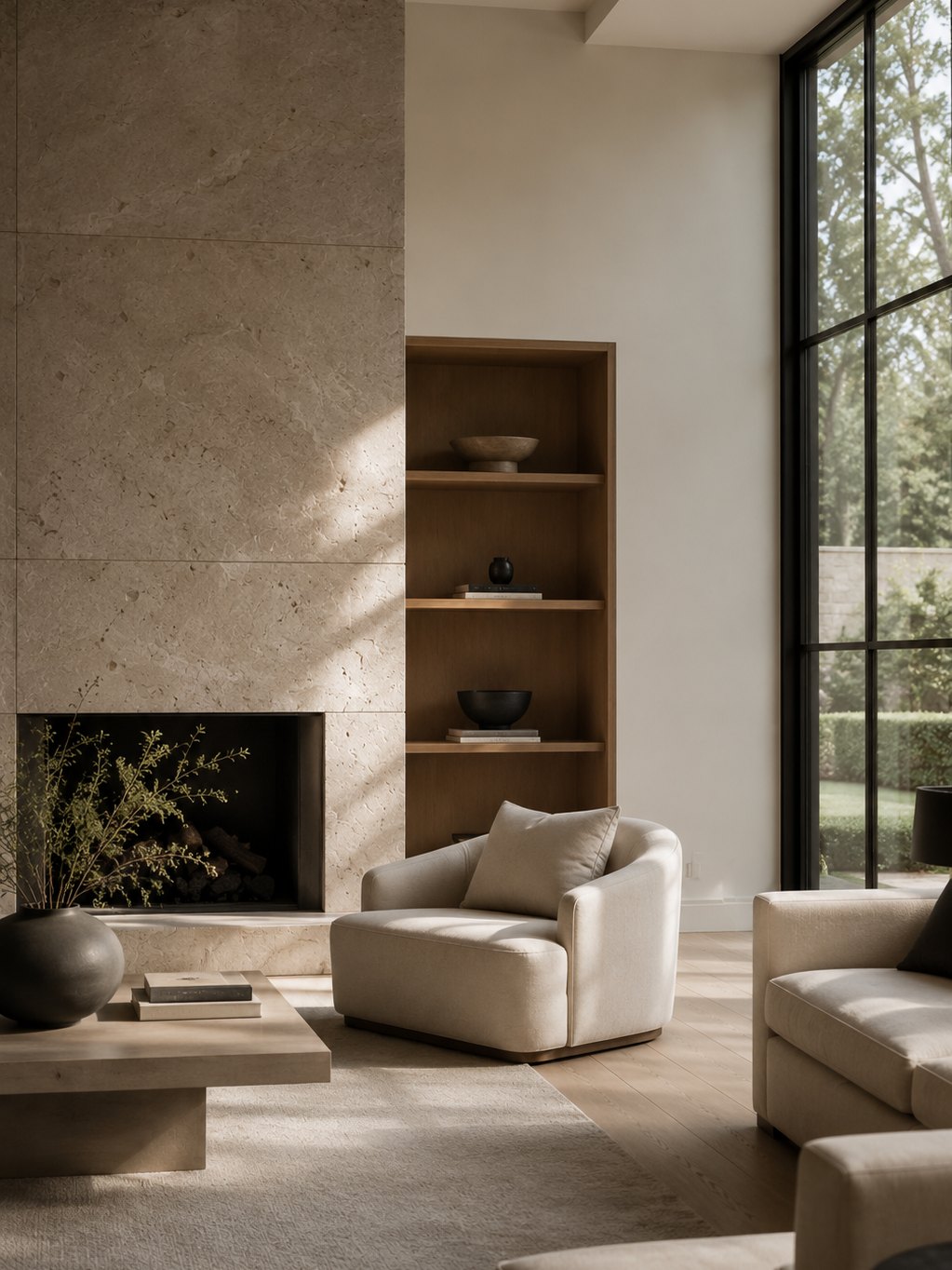
There is a moment, walking into a truly considered room, when the air itself seems to change. Nothing demands your attention, and so everything is available to it. This is the work of negative space, the most underestimated material in architecture, and the one Sarcelle returns to again and again.
We tend to speak of luxury in terms of what is present: the marble, the millwork, the hardware machined to a tolerance you can feel more than see. But the homes that endure are defined just as much by what has been withheld. Emptiness, used deliberately, is not absence. It is composition.
Restraint as a design language
To leave a wall bare is a decision that requires more conviction than to fill it. Negative space asks the architect to trust proportion, light, and material to carry the room without ornament. When that trust is earned, the result is a quiet that feels expensive in the truest sense, because it cannot be faked.
A room should breathe. The most generous thing we can give a space is room to be itself.
In our residences, we treat circulation, sightlines, and pause with the same care most builders reserve for finishes. A hallway widens by a few feet so two people can pass without choreography. A window is placed not where it is convenient, but where the light will land at the hour the room is most used.
Light is the second material
Negative space and natural light are inseparable. Empty planes become canvases for the slow theater of the sun, shadows lengthening across limestone, a band of warmth crossing the floor at dusk. We design for these moments deliberately, modeling sun paths before a single wall is framed.
The discipline of enough
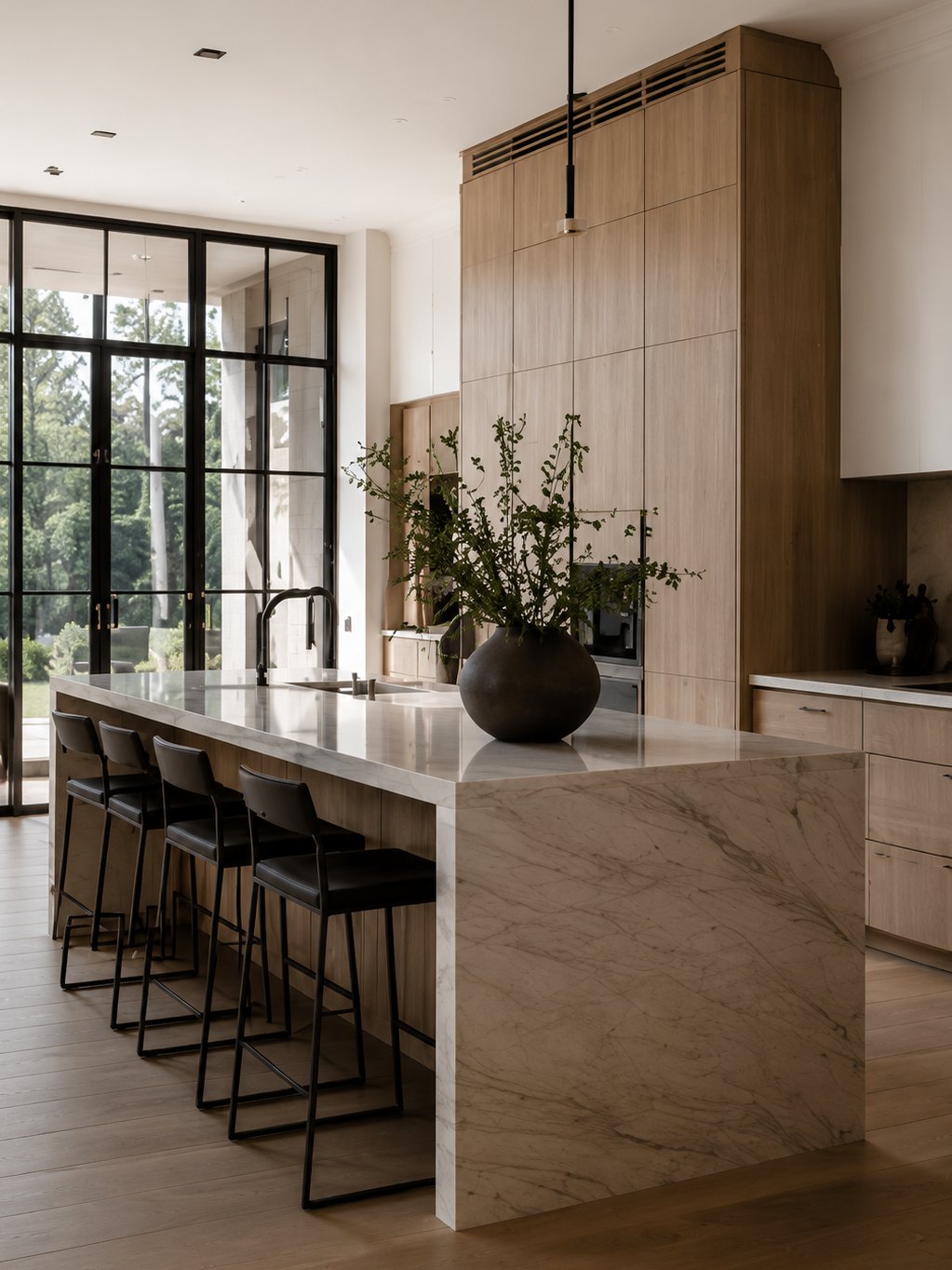
Perhaps this is the heart of it. A Sarcelle home is not an inventory of features but an exercise in knowing when to stop. Enough, executed perfectly, is the rarest luxury of all, and the one our clients tell us they feel the moment they arrive.